
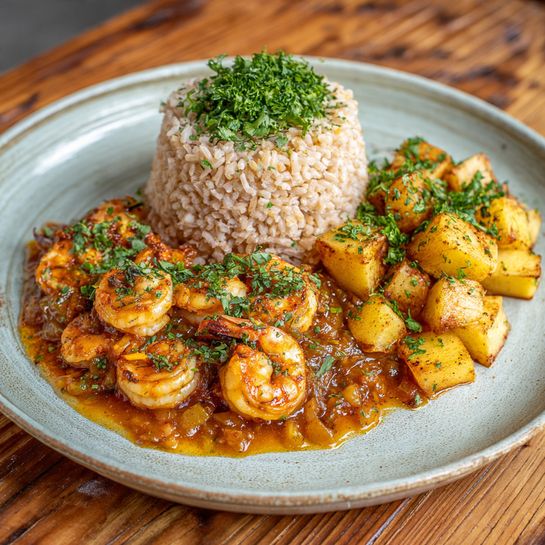
If you’re searching for a dish that’s as bright in flavor as it is visually stunning, look no further than Coconut Curry Shrimp with Pineapple Rice. This recipe embodies everything I love about tropical comfort food—a fragrant coconut curry swimming with succulent shrimp, served atop pillowy, golden pineapple rice. Each spoonful is sweet, savory, a little spicy, and completely irresistible! Whether you want to impress friends or simply take a mini-vacation at dinnertime, Coconut Curry Shrimp with Pineapple Rice never disappoints.
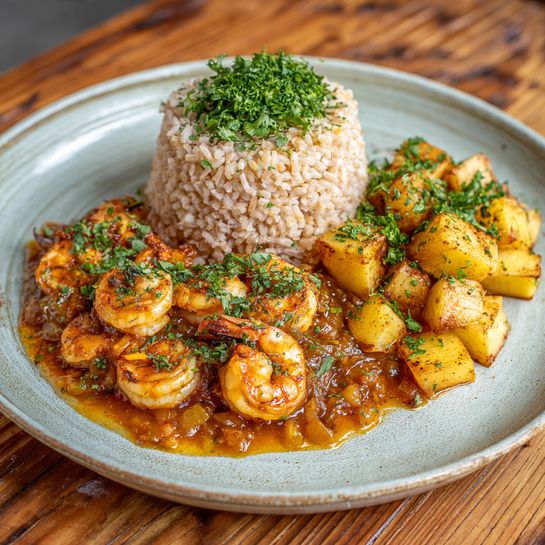
Ingredients You’ll Need
One of the best things about Coconut Curry Shrimp with Pineapple Rice is how effortlessly its core ingredients come together to make a restaurant-quality meal at home. Every single element matters, lending unique color, texture, and depth to the finished dish—don’t skip any of them!
- Shrimp: Large, peeled, and deveined shrimp are the main event here—they cook up quickly and soak in all those dreamy curry flavors.
- Vegetable Oil: A neutral base for sautéing aromatics without overpowering their taste.
- Onion: Finely chopped onion builds a savory backbone as it softens and sweetens in the pan.
- Garlic: Minced garlic brings an irresistible aroma and a punch of flavor to the curry sauce.
- Fresh Ginger: Adds a zesty, warming note that makes the sauce zing.
- Red or Yellow Curry Paste: Choose your favorite! It’s the heart of the sauce, providing bold color and that signature Thai-inspired kick.
- Coconut Milk: Luscious and creamy, it transforms the curry into a velvety dream.
- Fish Sauce (Optional): A splash adds deep, savory umami without tasting “fishy.”
- Sugar: Just a touch helps balance the spice and enrich the coconut’s sweetness.
- Red Bell Pepper: Sliced for crunch and vibrant color; sweet and subtly earthy.
- Frozen Peas or Snow Peas: For a pop of green freshness and added texture.
- Lime Juice: Freshly squeezed juice brightens everything just before serving.
- Salt and Pepper: To season each component to perfection.
- Fresh Cilantro: A sprinkle on top delivers an herbal finish and lovely color contrast.
- Long-Grain Rice: Fluffy grains perfectly soak up the coconut curry sauce.
- Pineapple: Use fresh or canned for juicy sweetness in the rice.
- Water: Helps the rice cook evenly alongside the coconut milk.
- Additional Coconut Milk: Used in the rice for ultra-creamy texture.
How to Make Coconut Curry Shrimp with Pineapple Rice
Step 1: Cook the Pineapple Rice
Start by combining your rinsed long-grain rice, diced pineapple, coconut milk, water, salt, and a touch of sugar in a medium pot. Give it a stir, then bring everything to a gentle boil. Once you see bubbles, turn the heat to low, cover, and let the rice simmer away for about 15 to 20 minutes. The rice will absorb all that fragrant liquid—and when you fluff it with a fork, you’ll reveal golden chunks of pineapple nestled in creamy, aromatic grains.
Step 2: Prepare the Shrimp
While the rice cooks, pat your shrimp dry and season them lightly with salt and pepper. This quick prep step makes sure the shrimp sear beautifully and absorb every nuance of the coconut curry sauce.
Step 3: Sauté Aromatics
In a large skillet, heat vegetable oil over medium heat. Toss in the chopped onion, garlic, and ginger—the moment they hit the pan, your kitchen will fill with mouthwatering aromas. Cook for just 2 to 3 minutes, stirring, until the onion turns translucent and everything smells irresistible.
Step 4: Stir in the Curry Paste
Add your choice of red or yellow curry paste to the skillet and stir it around for a minute. This step toasts the spices and lets the paste bloom into the oil, deepening the flavor foundation for the entire dish.
Step 5: Build the Sauce
Pour in the coconut milk, along with fish sauce (if using) and a teaspoon of sugar. Stir well to combine, then add the sliced red bell pepper and your peas. Let the mixture simmer for 3 to 4 minutes; the vegetables will soften but still keep a pleasant bite, and the sauce will become silky smooth.
Step 6: Finish the Shrimp
Nestle the shrimp into the simmering curry and cook for 2 to 3 minutes, turning them so they cook evenly and turn perfectly pink. Right before serving, squeeze in the juice of one lime—this pop of citrus lifts all the flavors and makes every bite exciting.
Step 7: Garnish and Serve
Sprinkle fresh cilantro over the finished curry and get ready to assemble. Plate a generous heap of pineapple rice, ladle over the coconut curry shrimp, and serve everything piping hot. Coconut Curry Shrimp with Pineapple Rice is now ready to become your new favorite dinner!
How to Serve Coconut Curry Shrimp with Pineapple Rice
Garnishes
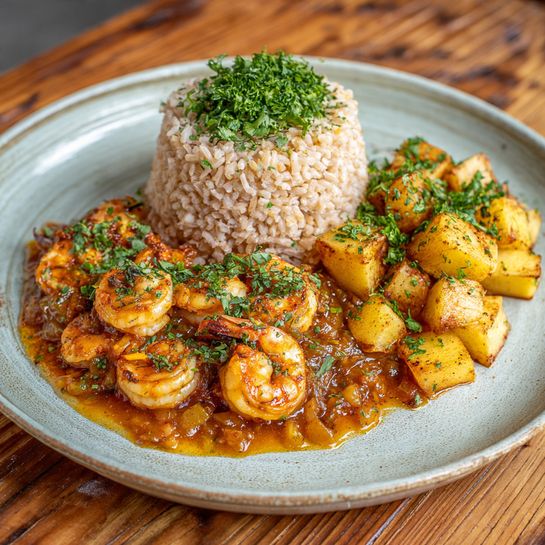
A flourish of chopped fresh cilantro is classic, but don’t stop there—try a scattering of sliced green onions, extra lime wedges, or even toasted coconut flakes for a little crunch. These final touches make Coconut Curry Shrimp with Pineapple Rice as gorgeous as it is delicious.
Side Dishes
This dish is hearty enough to stand alone, but if you’re entertaining (or just feeling fancy), a crisp cucumber salad or lightly steamed green beans are wonderful companions. For a little extra indulgence, warm naan or roti makes the perfect tool for scooping up any leftover sauce.
Creative Ways to Present
Want to wow your guests? Serve Coconut Curry Shrimp with Pineapple Rice inside hollowed pineapple halves—so fun and tropical! For weeknight ease, pile everything up in colorful bowls, topped with extra herbs and a spritz of lime. However you present it, this dish always feels special.
Make Ahead and Storage
Storing Leftovers
Have leftovers? Lucky you! Store Coconut Curry Shrimp with Pineapple Rice in airtight containers in the fridge for up to 2 days. Keep the rice and curry separate if possible, so the rice doesn’t absorb all the sauce and get mushy.
Freezing
While you can freeze the curry (minus the shrimp, which can become tough if overcooked), pineapple rice is best enjoyed fresh. If you must, freeze the sauce and rice separately, in well-sealed containers, for up to one month. Add freshly cooked shrimp just before serving for best texture.
Reheating
To reheat the curry, warm gently in a skillet over medium-low, adding a splash of coconut milk or water if the sauce is too thick. The rice can be microwaved or steamed until hot—just fluff it up before serving so it stays light and fluffy.
FAQs
Can I use frozen shrimp for Coconut Curry Shrimp with Pineapple Rice?
Absolutely! Just thaw them thoroughly and pat them dry before cooking. The results are just as delicious—no one will guess they weren’t fresh.
Is this recipe spicy?
The level of heat depends on your curry paste and how much you use. Start with a tablespoon, taste as you go, and bump it up for more kick if you like things spicy!
What can I substitute for fish sauce?
You can simply leave it out, or add a splash of soy sauce for umami. Vegetarian fish sauce is available in some stores if you want to keep it seafood-free but retain the savory punch.
Can I use brown rice instead of white for the pineapple rice?
You sure can! Just increase the cooking time and check the rice for doneness—brown rice takes a bit longer to cook but brings a lovely nutty flavor.
How far in advance can I prepare Coconut Curry Shrimp with Pineapple Rice?
You can make the pineapple rice up to a day ahead and gently reheat it. The curry sauce can be prepped earlier in the day, but cook the shrimp just before serving to keep them juicy and tender.
Final Thoughts
Give Coconut Curry Shrimp with Pineapple Rice a spot in your dinner rotation—just once, and you’ll see why it’s become one of my most-requested dishes. It’s comforting, bright, and refreshingly different, yet so easy to pull together. I can’t wait for you to taste your first forkful!