
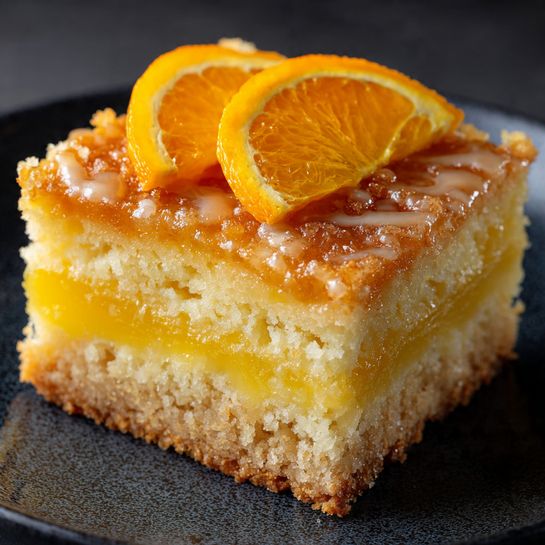
If you love bright citrusy flavors and crave tender, syrup-soaked cakes, you simply have to try Portokalopita (Greek Orange Phyllo Cake). This incredible Greek dessert combines crispy shreds of phyllo, tangy yogurt, and an intensely fragrant orange syrup in every single forkful. Each sweet bite is a perfect harmony of airy texture, vibrant citrus aroma, and astonishing moistness—a true crowd-pleaser that never fails to bring a bit of Mediterranean sunshine to the table.
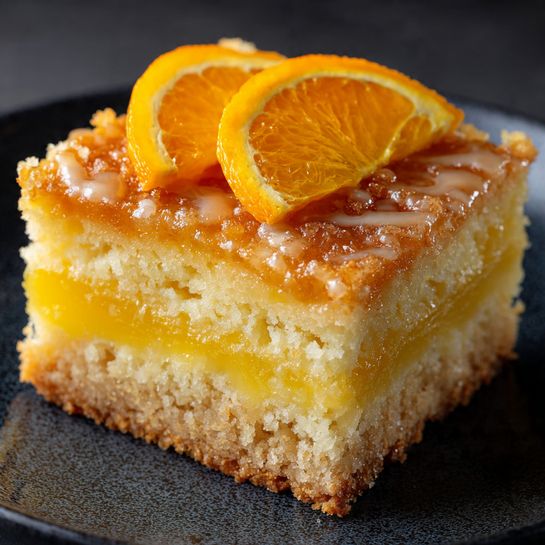
Ingredients You’ll Need
Making Portokalopita (Greek Orange Phyllo Cake) requires surprisingly simple ingredients, but each one plays a star role. The beauty of this recipe is how everyday items come together to form the magical layers, flavors, and aromas that define this classic treat.
- Phyllo dough: The crisp, papery layers are shredded to create the unique texture for the cake, making it both light and decadent.
- Greek yogurt: Adds a tangy richness, ensuring the cake stays moist and luxuriously tender.
- Granulated sugar: The sweet base that balances out the citrus brightness and lends structure to both cake and syrup.
- Eggs: These provide lift and help the cake set up beautifully, holding all the delicious flavors together.
- Vegetable oil: Adds moisture and gives the cake its classic melt-in-your-mouth crumb.
- Baking powder: A bit of leavening ensures the cake puffs up gently as it bakes.
- Orange zest: The zest infuses every bite with uplifting perfume and intensely fresh orange essence.
- Vanilla extract: Deepens the flavor profile with a warm, sweet note that perfectly complements citrus.
- Fresh orange juice: Used in both the batter and the syrup, it saturates the cake with lively citrus flavor.
- Water: This forms the base of the syrup and helps dissolve all the sweetness evenly.
- Cinnamon stick: Steeping in the syrup, this adds a subtle complexity that ties all the flavors together.
How to Make Portokalopita (Greek Orange Phyllo Cake)
Step 1: Prepare the Phyllo
Begin by preheating your oven to 350°F (175°C) and greasing a 9×13-inch baking dish. Then take your phyllo dough and lay out the sheets in a single layer. Give them around 10 minutes to air dry so they’ll shred easily into perfect, uneven little flakes—the secret to that rustic, delightful cake texture.
Step 2: Shred and Set the Phyllo
After drying, shred the phyllo into small pieces with your hands. Don’t rush this part; embrace the mess and get the pieces as fluffy and tattered as possible. Set them aside while you whip up the luscious batter.
Step 3: Make the Orange Yogurt Batter
In a large mixing bowl, whisk together the Greek yogurt, sugar, eggs, vegetable oil, baking powder, orange zest, vanilla extract, and freshly squeezed orange juice. This mixture smells absolutely heavenly—the brightness of the orange and vanilla will have you dreaming of Greek summers.
Step 4: Fold in the Shredded Phyllo
Gently fold the shredded phyllo into the batter, ensuring that everything is evenly moistened and distributed. Don’t worry if it looks a bit unusual; as it bakes, those pieces transform into the signature texture of Portokalopita (Greek Orange Phyllo Cake). Pour the finished batter into your prepared baking dish and spread it out evenly.
Step 5: Bake to Golden Perfection
Pop the cake in the oven and let it bake for 35 to 40 minutes, until the top is golden brown and set. Your kitchen will smell like a citrus grove! While the cake bakes, you’ll make the syrup that sets this dessert apart.
Step 6: Prepare the Spiced Orange Syrup
Set a saucepan over medium heat and combine the water, sugar, orange juice, and cinnamon stick. Bring it all to a boil, then simmer gently for 5 minutes until slightly thickened and wonderfully fragrant. Let this syrup cool—you want it to be cool when pouring over the warm cake.
Step 7: Syrup the Cake and Let It Soak
As soon as the Portokalopita (Greek Orange Phyllo Cake) comes out of the oven, slowly pour the cooled syrup over the entire surface. Listen for that gentle sizzle as the cake soaks up all the sunshine-infused liquid. Allow the cake to absorb the syrup fully before serving. This makes every slice mouthwateringly moist and bursting with citrus flavor.
How to Serve Portokalopita (Greek Orange Phyllo Cake)
Garnishes
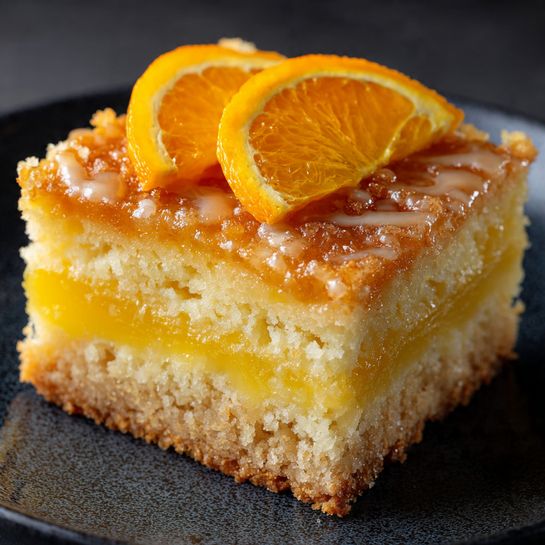
For a touch of elegance, top each slice with a sprinkle of fresh orange zest or a few curls of orange peel. You can even dust lightly with powdered sugar or add a dollop of whipped cream for a creamy finish. A few toasted almonds offer both crunch and authentic Mediterranean flair.
Side Dishes
Serve Portokalopita (Greek Orange Phyllo Cake) with a scoop of vanilla ice cream, or alongside a platter of fresh berries for a light, colorful contrast. A steamy cup of Greek coffee or strong black espresso pairs wonderfully, balancing the sweetness of the cake.
Creative Ways to Present
Try cutting the cake into diamonds or triangles for a stunning, baklava-inspired presentation. For parties, serve mini squares in cupcake liners with little orange wedges. You can even drizzle individual slices with extra warm syrup and a hint of cinnamon for an indulgent dessert plate.
Make Ahead and Storage
Storing Leftovers
Leftover Portokalopita (Greek Orange Phyllo Cake) will keep beautifully at room temperature for up to 2 days, covered with foil or plastic wrap. For longer storage, pop it in the fridge, where it stays fresh and moist for up to 5 days. Just be sure the cake is fully cool before covering to avoid any sogginess.
Freezing
You can freeze this cake, but do so before adding the syrup. Cut into individual slices and wrap each tightly in plastic wrap, then freeze for up to 2 months. Thaw at room temperature and add the syrup once it’s fully defrosted so the texture remains perfect.
Reheating
If you like your Portokalopita (Greek Orange Phyllo Cake) a little warm, just pop a slice into the microwave for 10–15 seconds, or reheat gently in a low oven. The warmth brings out the orange aroma and makes the cake extra inviting, especially on cool days.
FAQs
Can I use store-bought orange juice instead of fresh?
Fresh orange juice really makes the citrus flavor pop, but in a pinch, good quality store-bought juice can be used. Just look for one without added sugar for best results.
Do I have to let the cake soak in syrup before serving?
Yes, letting the syrup soak in is vital—it transforms the cake from good to unforgettable, giving it that classic moist, melt-in-your-mouth texture.
Why do I need to dry out the phyllo before shredding?
Drying the phyllo makes it easier to tear and ensures the pieces stay separate in the batter, resulting in the signature airy crumb of Portokalopita (Greek Orange Phyllo Cake).
Can I make this recipe gluten-free?
While traditional phyllo is not gluten-free, you can experiment with gluten-free phyllo dough available in some specialty stores—just note that the texture may differ slightly.
What’s the best way to zest oranges for this cake?
A fine microplane or zester works best. Be sure to zest only the colored part of the peel, avoiding the bitter white pith underneath for the sweetest, brightest flavor.
Final Thoughts
This Portokalopita (Greek Orange Phyllo Cake) truly brings a taste of Greece right to your home table. There’s so much love and joy packed into every slice, from the bright shimmer of orange to the satisfying golden crunch. Don’t wait for a special occasion—treat yourself and share a sun-soaked piece of this Greek classic with those you love!